introduction: in response to the topic of "common misunderstandings of overseas developers interpreting the real need for building ladders for singapore cloud servers", this article conducts a professional analysis around common misunderstandings, judgment standards and alternatives. the purpose is to help the development team make a more reasonable connection strategy based on network scenarios, business requirements and compliance constraints, rather than assuming that all scenarios require access to singapore cloud resources through a ladder (vpn/proxy).
many developers are accustomed to thinking that they must "build a ladder" to access singapore nodes. this is not the case. whether a proxy is required depends on whether the target service is subject to geographical access restrictions, the provider's entrance and exit network policies, and the local operator's routing policy. for public ports and normal public network access, connectivity problems can usually be solved by optimizing routing, using cdn, or adjusting dns, instead of using vpn/proxy by default.
using a vpn or proxy does not necessarily lead to a faster connection, but may increase latency or jitter. network performance depends on intermediate routing, bandwidth, packet loss rate, and provider peering conditions. if the goal is to improve performance, priority should be given to selecting the nearest area, enabling cdn, optimizing application layer caching and tcp tuning, rather than relying solely on ladders to "accelerate".
developers often bring temporary proxy strategies from local debugging directly into production, but development/test environment tolerances and access patterns are different. production should focus on stable, secure, and auditable access paths, such as using bastion machines, dedicated lines, or private network connections provided by cloud vendors, rather than temporary vpns. mixing policies may lead to loss of permissions or the risk of network failure propagation.
determining whether an agent is needed should be based on clear conditions: the target service is geographically blocked, must access restricted third-party apis, company compliance requires intranet access, or cross-border debugging is required and other solutions are not feasible. prioritize to evaluate whether the needs can be met by adjusting firewall rules, configuring outbound nat, or utilizing interconnection services provided by the cloud. only when these cannot be met, consider a secure and compliant vpn/proxy solution.
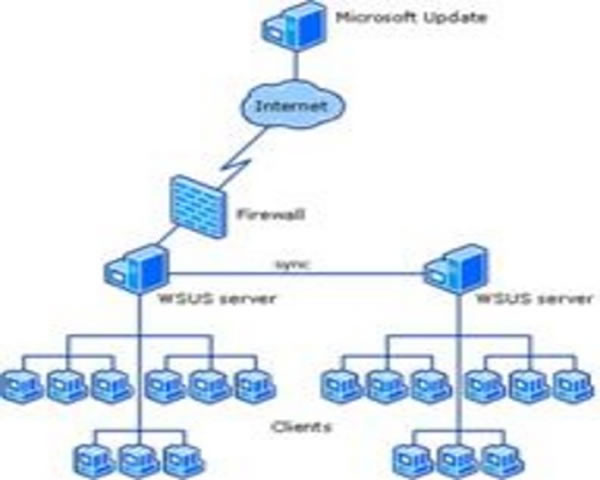
common alternatives include: using a cloud provider's private network or vpc peering, enabling global cdn and edge nodes, deploying reverse proxies or api gateways, and configuring bastion hosts and springboards. for multinational teams, enterprise-grade sd-wan or site-to-site vpn can be used to ensure observability and access control and prevent developers from using unauditable "ladder" tools at will.
logging, encryption, authentication and data sovereignty must be considered when using any proxy or vpn. logging access audits, limiting administrative rights, employing multi-factor authentication, and establishing confidentiality policies are basic requirements. for cross-border access involving sensitive data, legal and compliance teams should be consulted to ensure that data storage and transfer regulations are not violated.
summary: regarding "common misunderstandings among overseas developers about the real need for ladders for singapore cloud servers ", do not default to the need for ladders in all scenarios. first conduct a connectivity and demand assessment, and prioritize the use of cloud vendor network capabilities, cdn and security springboards. only design controlled vpn/proxy solutions when there is no viable alternative and compliance allows. it is recommended to work with a network or security engineer to evaluate and develop an auditable, maintainable connectivity strategy.
- Latest articles
- Community Q&A Summary: Are US Servers Offline And Common Recovery Experiences Nowadays?
- Recommendations For Establishing Audit And Security Incident Response Processes For High-defense VPS Logs Without Filing In Hong Kong
- From The Perspective Of SEO Optimization, Are Cambodia Servers Useful? Their Potential Impact On Rankings
- Analysis Of The Impact Of The U.S. Cluster Server Bandwidth Billing Model On Long-Term Costs
- How To Temporarily Scale Up During Peak Activity By Purchasing A Korean Cloud Server For One Day
- An Operations Perspective Analyzes The Key Points Of High-availability Architecture And Disaster Recovery Design For High-protection Servers In The United States
- Common Customer Questions And Strategies For Promoting Japanese Cloud Servers
- Experts Provide A Detailed Overview Of Several Common Deployment Methods For Hong Kong Server Clusters In The Market
- How Much Does Broadband Cost In Hong Kong Data Centers Compare To Domestic And International Network Latency?
- The Law Reminds Chinese People On How To Trade On Korean Servers And Pay Attention To Compliance In Cross-border Transactions
- Popular tags
-

Singapore Vps Review Reveals The Perfect Balance Of Cheap And Stable
Singapore VPS review reveals how to find the perfect balance between price and stability, suitable for both individual and business users. -

Singapore Cloud Server Brand Ranking And Recommendation Options
This article will introduce the Singapore cloud server brand ranking and recommendation choices to help you choose the right cloud service provider. -

The Secret To How To Improve The Speed Of Domestic Access In Singapore
This article discusses the secrets of how Singapore cloud servers can improve domestic access speed and analyzes their technical advantages and optimization strategies.